
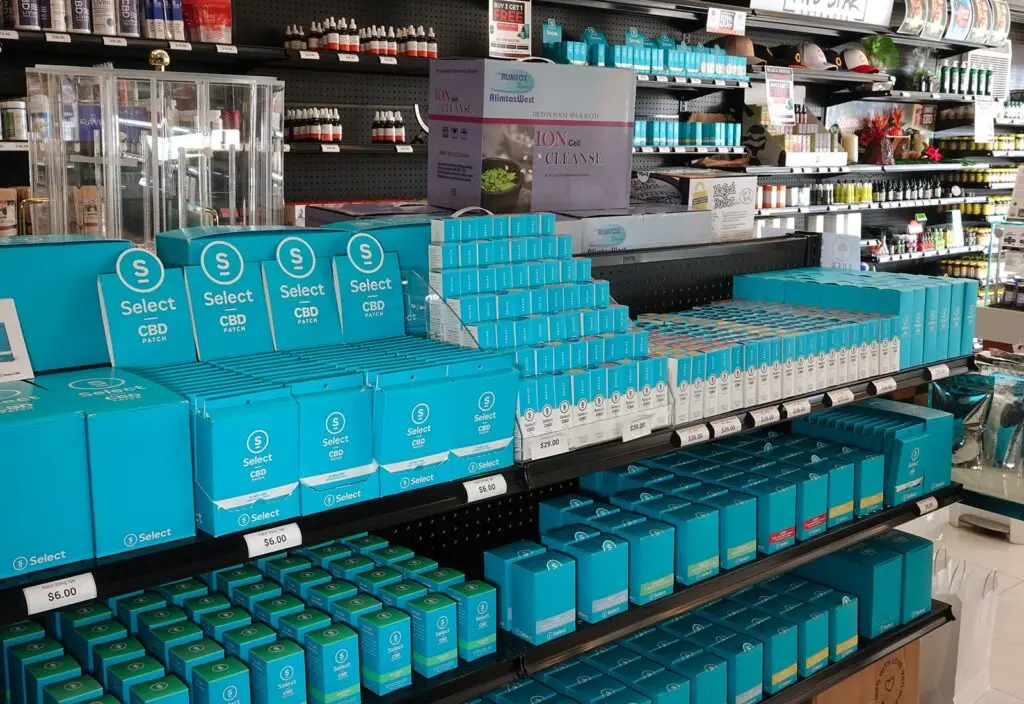





Starting a dispensary in 2026 isn’t simply a matter of acquiring that license and providing organized displays of stock. By 2026, the cannabis retail industry will remain firmly regulated, heavily driven, heavily policed, security-conscious at the highest levels, and tightly focused on the detail of system integrity, record keeping and operator prudence. Anyone researching how to open a cannabis dispensary in 2026 will need a compliance-first approach rather than a traditional retail mindset.
This guide is about how to get started in a way that complies with 2026 regulations. Its intent is to refine expenditure and highlight potential regulatory pitfalls. The sections below form a step-by-step guide to opening a cannabis dispensary that aligns with modern enforcement standards.
The Cost of Getting Compliance Wrong in 2026
In 2026, arriving at a compliance breach isn’t a simple mistake or oversight. By this stage, the authorities have demonstrated that any potential failure within a closed-loop system of security, record keeping, or IT system reliability markers lends itself as confirmation of prior inefficiency. Non-compliance, whether singular or multiple incidents, can invoke sanctions, commission correction, temporary suspension or license invalidation in lenient jurisdictions.
From a start-up perspective, this would translate into intent not translating into result. Designing your dispensary facilities in a way that they are compliant from day one would mean every system needs to be operational from the outset and can demonstrate evidence of action as soon as it is installed.
Drawing up this comprehensive plan and sticking to it could be the difference between success and failure. That’s why it is vital to discover the right way how to open a cannabis dispensary in 2026 so as to prevent action from authorities.
Why 2026 Is a Defining Year for Cannabis Dispensary Operators
The industry is now in a phase where compliance and quality matter equally. Cannabis dispensary compliance requirements now extend beyond basic licensing into security, IT, and operational accountability.
Regulators in 2026 are not just asking if the cannabis businesses can run responsibly. They want proof of it through systems, audits, and visible infrastructure.
Here are some key changes shaping dispensary operations in 2026:
- More frequent unannounced inspections and compliance checks
- More detailed surveillance, access rules, and alarm systems
- Greater focus on cybersecurity and data safety
- Tighter inventory management and reconciliation requirements
- Higher standards for employee training and role-specific access
For anyone learning how to start a cannabis dispensary, it’s critical to understand these changes early on.
What regulators mean by “operational readiness”
Many applicants wrongly think “operational readiness” is just about having equipment installed. In 2026, it means much more:
- Clear, written SOPs that staff can explain to anyone
- Active video surveillance with live monitoring and verified retention
- Access controls that match each job function exactly
- Processes that demonstrate inventory movement from source to sale
- Incident response plans that staff can follow, not just read about
There is a growing regulator focus on not only the technological and cyber-security safeguard checkpoints but also the operational flow-through process for physical access points.
Dispensaries who can’t walk the regulator through their operational procedure are flagged and penalized with or without the current requisite technology.
Step 1: Know the law and rules for cannabis
The first step before you select a location for your dispensary or start drafting up your business plan is that you need to know the law on cannabis inside and out. It should be ingrained in your brain with complete certainty so that you can start your journey of how to open a cannabis dispensary in 2026 with minimal issues and the smoothest road ahead possible.
How cannabis laws work in layers
Cannabis laws are usually layered:
- Federal or national
- State, province, or territory
- City, town, or local rules
Each layer can set its own rules for licensing, reporting, and enforcement. Missing the overlaps is one of the most common reasons dispensary applications get delayed or denied.
Why knowing the law matters early
Knowing the law helps you with:
- Getting licensed
- Opening a bank account and handling cash
- Meeting security and surveillance standards
- Keeping detailed records and audits
- Planning for multiple stores
This basic knowledge will influence how you keep your dispensary compliant all the time.
Community impact and public opinion
Public opinion is still a very groundbreaking factor when it comes to cannabis. Resistance from locals has the potential to cause hindrances in getting permits approved even in places where cannabis is legalized.
Forward-thinking owners address this early by:
- Showing good security and safety plans
- Designing clean, professional storefronts
- Keeping signage and lighting low-key
- Explaining clearly about age restrictions and safety of products
Planning for community impact helps during hearings and makes your application stronger.
Step 2: Market research, viability, and location
Your dispensary’s location is going to be one of the most regulated and scrutinized part of your whole operation.
Local approval and zoning
Some places have rules like:
- Minimum distance from schools, parks, or daycares
- Restrictions near residential zones
- Caps on how many dispensaries can open in one area
- Community notice or consultation rules
Before starting the licensing process, make sure your site fits all local zoning laws.
Market viability research
Regulators now want applicants to prove they understand the market they will serve. Good feasibility studies include:
- Analysis of existing dispensary density
- Local population and foot traffic patterns
- Tourist influence and seasonal demand
- Average spending per customer and average basket size
- Pricing and product differentiation
These insights will make your dispensary business plan stronger and show regulators that your plan is viable.
Real estate lease issues unique to cannabis
Cannabis real estate can be tricky in ways normal retail spaces aren’t. Many landlords haven’t dealt with cannabis, and some restrict it tightly.
Common cannabis-specific leasing issues include:
- Clauses that say if you don’t get your license, you can’t stay
- Restrictions on security systems
- Lack of roof access or trouble with surveillance cabling
- Limits on storage areas that can be reinforced
- Insurance that is not standard retail and can be costly
Before leasing, operators should confirm that:
- Security hardware is allowed
- Surveillance cameras are allowed
- Licensing delays won’t trigger penalties
Lease termination clauses are fair and won’t harm your investment. Getting a real estate deal wrong can sink a great dispensary plan.
Step 3: Creating a cannabis dispensary business plan for 2026
In 2026, a cannabis dispensary business plan goes beyond the purpose of money. It is the foundation for building your reputation when it comes to matters of operational and compliance readiness.
Main parts that officials want:
- Who owns the shop and how much money they have
- Who’s running the company and how they follow rules
- How things are done every day
- How inventory is tracked and counted
- How security is set up and monitored
- How computers and data are managed
- How to handle problems or emergencies
Generic plans often fail because they don’t match real life practical situations.
Financial Planning Beyond Startup Cost
Opening a dispensary costs more money than new owners think. Any realistic dispensary startup guide for 2026 must account for compliance delays and contingency costs.
Beyond getting licenses and building space, plan for:
- Alarm and camera systems
- Computer systems and ongoing managed services
- Legal advice and inspections
- Getting stuck waiting for licenses
- Having money ready for the first few months of operations
A good plan for starting a dispensary in 2026 always focuses on being ready for costs.
Managing inventory as a compliance system
Keeping track of inventory is essential to avoid one of the most common causes of non-compliance. In 2026, regulators will be extremely strict when it comes to your inventory being exactly what is shown on paper.
Good inventory compliance needs:
- Clear process for each delivery
- Controlled movement between storage and shelves
- Tracking in real-time with checkout systems
- Clear steps for damaged, expired, or returned items
- Regular audits beyond what’s required by law
Dispensary owners who treat inventory as part of compliance are much less likely to face penalties.
Step 4: Navigating the cannabis dispensary licensing process
Your cannabis dispensary licensing process is going to be a very structured and highly documented path. Winning a license is going to be a laborious journey, overwhelmingly full of details and slow stops in between.
Common steps for licensing
Licensing procedure in most places follow a set path:
- Pass initial screening or pre-qualification
- Send in an application form
- Background checks on owners and key staff
- Prove where the money came from
- Get conditional approval
- Build out the site and pass inspection
- Receive the final license to operate
The cannabis dispensary license application process demands extremely precise actions. The most minute of errors can potentially cause major delays and can completely derail your application. The paperwork must be precise and complete, so that any potential delays can be avoided proactively.
How to make your application stronger
Winning applicants usually:
- Use language that matches what officials want
- Draw accurate plans for security and surveillance
- Make sure roles for compliance are clear
- Show vendors are ready and systems work well
This stage is key if you want to start a cannabis dispensary in 2026 without delays.
Step 5: Designing a compliant layout for your cannabis dispensary
The layout of your shop affects compliance, security, staff, and how customers experience it.
What officials look for:
- Visibility on the sales floor and monitoring
- Safe storage or vaults for product
- Receiving and storage areas
- Restricted access for staff only
- Computer servers and network rooms
Layouts that don’t meet security needs will need costly redesigns after officials visit.
Designing for future growth
Smart operators design layouts that keep in mind:
- More products to sell
- More staff needed
- Newer tech systems
- More cameras and security coverage
A layout that can grow over time is better for long-term compliance.
Step 6: How to handle security and cameras
Security is one of the most regulated parts of a dispensary. Security design is central to how to open a cannabis dispensary in 2026 without delays or violations. Staying legal and safe with the help of Dispensary Security Essentials is still going to play a significant part in 2026 as well, as it did the previous year.
Standard security requirements in 2026
Most officials require:
- Always-on video cameras
- Clear camera resolution and placement
- Restricted access to certain areas
- Intruder alarms
- Alarms for staff safety
- Secure storage for product
Video footage must be kept, searchable, and ready to share if needed.
Why security planning must be top-tier
Officials check:
- Blind spots and where cameras are placed
- Lighting and image quality
- System uptime and backups
- Audit logs and maintenance records
Failing security systems can cause opening delays, fines, or license suspension.
Cash Handling, Banking, and Financial Oversight
Even in 2026, many dispensaries still use cash or partially cash operations. This creates risks and regulatory concerns.
Best practices for 2026 include:
- Separate roles for cash handling
- Time-locked safes and controlled access
- Documented procedures for counting cash
- Cameras over all cash areas
- Regular cash reconciliations linked to sales systems
Even if a bank is cannabis-friendly, officials often examine cash controls during reviews.
Step 7: IT, POS, and Cybersecurity
Modern dispensaries sit at the edge of retail and state infrastructure.
Critical IT Systems
- Point of Sale with inventory links
- Encrypted networks
- Role-specific logins
- Data backups stored securely
- Backups and redundant internet links
If a tracking system goes down, sales instantly stop.
Cybersecurity Policies as a Compliance Factor
In 2026, building cyber-resilient cannabis businesses amid the recent St. Paul cyberattack is the most logical step forward any business owner can, and most definitely should, take. Any and all cybersecurity failures are a compliance issue. Dispensaries need to safeguard:
- Transactions of customers
- Product stock and audit trails
- Video surveillance data
- Internal operational data
Managed IT support is no longer optional for compliance stability.
IT Outages as a Compliance Trigger
In 2026, system downtime triggers compliance reporting. If your POS, inventory tracker, CCTV, or network is down, it’s an incident that may require documentation or temporary sales suspension.
Plan for:
- Redundant internet services
- Failover network solutions
- Backup power systems for equipment
- Written procedures for system failure responses
Proactive IT planning is essential, not reactive.
Data Retention, Recordkeeping, and Audit Readiness in 2026
An essential tip for operators is to stop treating recordkeeping as a burden. It is an essential requirement for compliance, with regulators expecting immediate access when needed. Any failure to provide necessary access risks violations.
Dispensaries must retain:
- Product inventories and adjustments
- Video footage and access logs
- Employment records and training logs
- Incident reports with corrective actions
- Sales and cash logs
Successful infrastructure includes record files that are:
- Organized in a logical manner
- Easy to search for information
Those with centralized storage and designated roles will be better prepared. Build audit readiness early to reduce stress, simplify inspections, and demonstrate operational expertise to regulators.
Step 8: Hiring and Training Staff
Employees can be a compliance liability is proper management is not practised.
Staff Requirements
Most jurisdictions require:
- Background checks
- Formal onboarding and training
- Defined job roles
- Periodic refreshers on compliance topics
Training areas should include:
- ID checks for customers
- Incident reporting procedures
- Emergency response protocols
- Security awareness training
Emergency Planning and Staff Preparedness
Dispensaries are among the most complex combinations of retail, cash, and controlled substances. Prevention is the most effective goal, and current regulation will judge your preparedness to handle the unexpected, like theft, robbery or some other contingency.
Preparedness areas include:
- Security breaches or theft attempts
- System failures affecting POS or CCTV
- Power outages or damage to critical equipment
- Health emergencies involving staff or customers
- Inventory loss or exposure during operations
Effective plans assign clear responsibilities, logging steps taken, regulator notification procedures, and corrective measures.
During 2026 inspections, regulators may ask staff to explain emergency procedures aloud. Dispensaries demonstrating composure and structure will be seen as less risky and more compliant.
Step 9: Visits, Inspections, and Final Certification
Before opening, expect detailed checks.
What Inspectors review:
- Live feeds and recordings
- Alarm and access logs
- Inventory records
- Written procedures
- Staff knowledge of compliance policies
Operational readiness counts more than installed hardware.
Documentation and Staff Accountability
As dispensaries scale, compliance risk shifts from systems to personnel. Proper documentation ensures accountability.
By maintaining clear records, you can confirm:
- Employees understand their roles
- Access controls are appropriate
- Training records are complete
- Policy adherence can be enforced consistently
Well-maintained procedures protect both business and staff. Written, communicated policies that are acknowledged reduce disputes and improve clarity.
2026 regulators prefer operators who have institutionalized a compliance culture rather than relying on informal knowledge. This prevents violations and simplifies audits.
Step 10: Post-Opening Compliance
Compliance does not end on opening day. Long-term success in how to open a cannabis dispensary in 2026 depends on sustained compliance after launch.
Continuous Responsibilities
- Frequent system tests and audits
- Inventory updates
- Renewal of licenses
- Incident follow-ups
- Vendor recordkeeping
A proactive stance reduces enforcement risks and preserves your license.
Planning for Growth from the Start
Even with a single location, design for future expansion. Regulators now scrutinize whether your system can scale without raising compliance costs. Building scalable systems early simplifies multi-site management later.
Key scalable systems include:
- Centralized security monitoring
- Standardized procedures and policies
- Integrated IT systems
- Consistent staff training modules
Growth becomes more manageable when compliance setups are future-proofed.
Tracking Compliance Metrics Over Time
Compliance is not static. Smart operators measure how well their systems are functioning over time.
Indicators include:
- Frequency of inventory discrepancies
- Security or system breach attempts
- Inspection failures or violations
- Operational downtime and recovery metrics
- Staff training completion rates
Watching these figures can head off problems before they occur. Continuous improvements will serve you well with auditors, cost less and avoid penalties.
Adopt compliance as a developing science, not a static set of rules and you will remain successful for the long term.
Common errors to avoid in 2026
- Making compliance a one-off thing
- Not knowing security and IT costs
- Hiring non-cannabis experts
- Bad recordkeeping
- Overlooking cybersecurity
Most of these issues occur when operators fail to follow a structured cannabis business compliance checklist.
Pick the right cannabis compliance partner
Vendors are key to dispensary compliance. Going with general retail vendors who don’t know cannabis rules can cause you to fail on your first inspection.
Good cannabis partners should:
- Understand your local cannabis laws accurately
- Have documents ready to prove you’re compliant
- Help you pass inspection calls
- Do the ongoing checks and maintenance
- Keep up with laws and rules changes
Having good partners can be the difference between an easy start and a long hold up.
Final thoughts: How to start a cannabis dispensary in 2026 the right way
Getting the hang of how to open a cannabis dispensary in 2026 takes more than just being eager. It needs good planning, knowing the rules, and reliable team members.
Cure8 is a partner you can trust for cannabis IT and security, and has a proven record of helping dispensaries, growers, and distributors stay safe and by the book. From cannabis security advice to full installations and compliance checks, we help you build a security system that works as hard as you do.
If you’re about to open a dispensary or want to grow into a new market, give Cure8 a shout or book a consultation, so that you’re tension-free right from day one.