
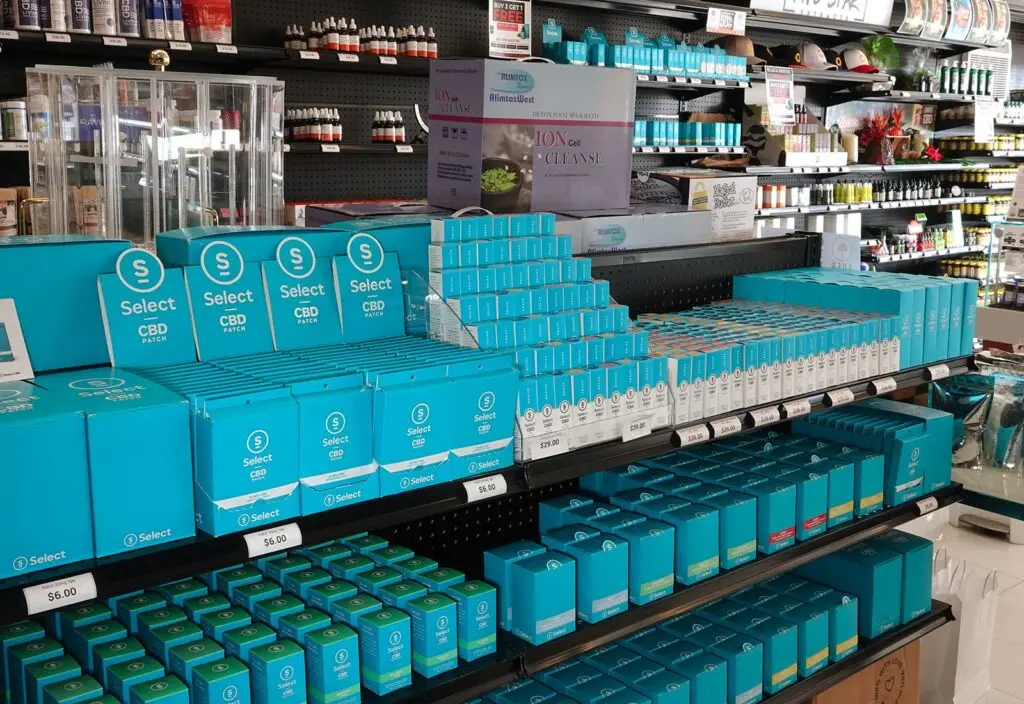




This Virginia dispensary readiness checklist helps hemp and CBD store owners assess what can carry over into cannabis retail. You may already have a lease, regular customers, and an experienced team. The next step is to check whether the premises and systems can support a licensed dispensary.
The first questions are practical. Can the property be approved for cannabis retail? Is there enough room for secure storage? Can your checkout system track regulated inventory? What happens if the internet goes down during a sale?
This checklist is for Virginia hemp and CBD store owners weighing that move. Cure8 works on the technology and security behind cannabis facilities, from floor-plan reviews through installation and support. Here, the goal is to help you identify what you can keep, what needs work, and what you still need to confirm.
You do not need to replace everything to start planning. You do need a clear picture of the gaps before spending money.
First, Separate Your Hemp Business From Your Cannabis Plans
An existing hemp business does not give you permission to sell adult-use cannabis. You will need the appropriate cannabis license and approval for the premises before operating.
The CCA’s retail-market guidance currently schedules adult-use sales to begin July 1, 2027. Its February 1, 2027 application milestone covers specified early categories, not a general opening for new retail-store applications.
Keep running the hemp business under its current rules while preparing separately for a possible cannabis license. Do not assume your stock, suppliers, registrations, or customer records can simply carry over.
For the broader transition, our guide to turning a Virginia hemp or CBD store into a cannabis dispensary explains the licensing and business questions beyond this checklist.
Can Your Current Property Support Cannabis Retail?
Check the property before checking equipment prices. A store can work well for hemp retail and still be unsuitable for a dispensary.
Ask your legal adviser and local planning office to review the proposed use. Then ask qualified building and technology professionals to assess the current floor plan.
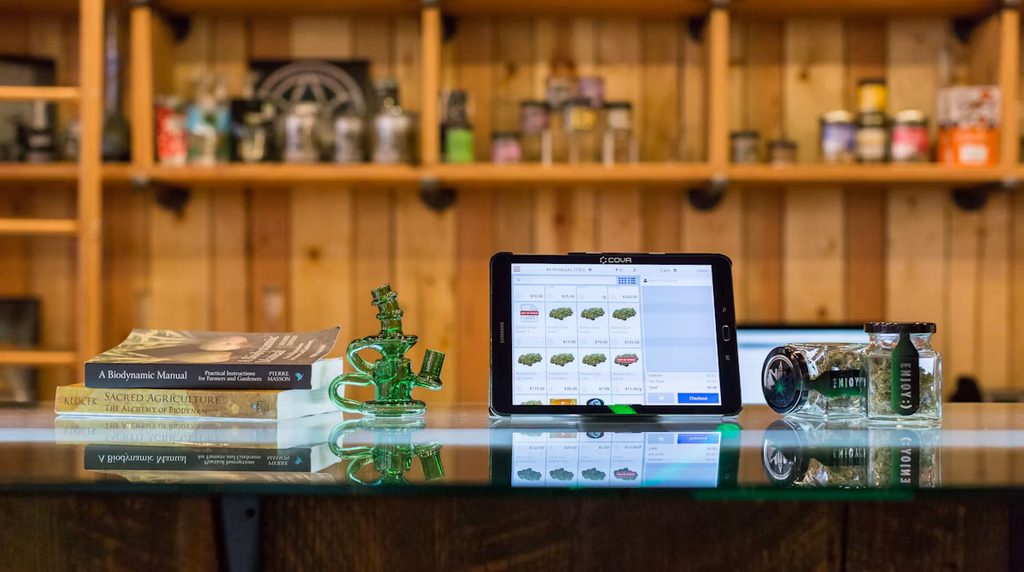
Hemp and CBD store counter with product displays.
Check these items
- Site eligibility: have zoning, location restrictions, and the licensing requirements been checked for this address?
- Lease: does the landlord permit the proposed use and any required alterations?
- Storage: is there space for secure product storage without turning staff work areas into overflow stockrooms?
- Customer movement: can staff manage entry, browsing, and checkout without blocking access or creating crowded pinch points?
- Receiving: where will deliveries be checked and moved into storage?
- Building work: can cables, power, and security equipment be installed where needed?
Do not count a verbal “that should be fine” as a completed check. Keep the relevant approvals, landlord permissions, and site findings with your planning records.
What Can You Reuse at Checkout?
Your existing register may handle ordinary retail sales perfectly well. Cannabis inventory and sales add different demands.
Start by recording what you use now: POS software, terminals, scanners, receipt printers, cash drawers, and any online-ordering tools. Ask the proposed cannabis POS vendor which items it supports before deciding what to replace.

Staff using the store’s existing checkout system.
Check these items
- Can the POS support Virginia’s required inventory-tracking workflow?
- Can it apply purchase limits across different product types?
- Can it handle the applicable taxes?
- Can staff find and resolve failed reports or inventory mismatches?
- Does it offer individual staff accounts and permission controls?
- Are your existing peripherals supported?
- What works during an outage, and what procedures are legally allowed?
Ask for a demonstration using a realistic cart, not just a tour of the dashboard. Our overview of cannabis POS systems can help identify vendors to research. Confirm current features and compatibility directly with each vendor.
Age checks need their own review. Confirm how staff will check customers before entry and purchase, what any scanner collects, and whether the system retains that information. Checking age and saving customer data are different functions.
Can You Account for Every Product?
A shelf count and a supplier invoice are not enough to describe the full cannabis inventory workflow.
The CCA says retailers must track products from receipt through sale, transfer, or disposal. Your store needs both suitable software and a person responsible for checking the records.
Walk through a sample product
Before handling cannabis, use a training example to work through:
- Receiving a delivery and checking it against its records.
- Assigning it to the correct product and inventory record.
- Linking the relevant batch and lab information.
- Recording a sale.
- Finding a count mismatch.
- Placing affected stock on hold if a recall occurs.
- Recording disposal under the applicable procedures.
Find out where someone would need to retype information or switch between systems. Those handoffs deserve attention before the store gets busy.
Use the vendor’s training environment or another approved test method for practice. Do not create fictitious sales or inventory movements in a live regulatory system.
Does Your Security Setup Match the Proposed Store?
Existing cameras and an alarm are a starting point, not proof that the store is ready.
Review the layout with a qualified security partner. A camera may produce a clear image but still miss the area where stock is received or handled. Storage may be lockable but awkward for staff to use correctly throughout the day.
Check these items
- Camera views cover the areas required for the proposed operation.
- Lighting supports usable images.
- Recordings can be found and exported.
- Video storage can meet the applicable retention requirements.
- Product and security equipment are protected from unauthorized access.
- Alarm monitoring and failure alerts have clear response procedures.
- Power-loss arrangements are documented and tested.
Virginia’s medical cannabis security requirements provide useful context, including recording retention and surveillance-failure alerts. They are medical-program rules, not automatic approval for a future adult-use store.
Will the Internet and Network Support the Store?
Check what is available at your unit, even if the shop already has internet.
Your current service may support a register and office laptop but need review once you add remote video, kiosks, or more connected devices. The right capacity depends on how those systems work, not just how many devices you own.
Check these items
- The provider has confirmed service and installation requirements at the exact address.
- Upload capacity has been assessed alongside download speed.
- Guest Wi-Fi is kept separate from store systems.
- Network equipment and accounts have controlled access.
- Essential equipment has suitable backup power.
- A backup connection has been assessed for availability and coverage.
- Someone receives alerts and knows what to do when service fails.
A second internet connection cannot fix every outage, including a failure at the POS provider. Our guide to backup internet options for cannabis businesses outlines connectivity approaches to discuss with your technology partner.
Can Your Team Run the Daily Procedures?
Your staff’s retail experience matters. Build on it with written steps for the tasks that change.
Start with short procedures people can actually follow:
- Checking age and responding when someone cannot be admitted or served.
- Receiving and counting stock.
- Reviewing sales and inventory mismatches.
- Restricting access to products and system settings.
- Handling a recall or suspected missing inventory.
- Responding to a camera, alarm, POS, or internet failure.
- Removing system access when an employee leaves.
Name an owner for each procedure. Then run a practice session using training data and scenarios.
If staff have to guess who handles an inventory error or an overnight alarm, that is a gap to resolve. Keep training records, but do not confuse a signed attendance sheet with a team that has practiced the work.
Can Your Budget Cover the Gaps?
Turn the findings from your Virginia dispensary readiness checklist into a cost list. Identify what you can reuse, what needs upgrading, and what still needs a quote.
Separate the list into:
- One-time work: site assessments, design, cabling, equipment, installation, setup, and training.
- Recurring bills: internet, software, monitoring, storage, support, and maintenance.
- Costs before opening: rent and services that may begin before cannabis sales.
- Unpriced items: work that still needs a quote or depends on approval.
Keep licenses, legal advice, insurance, stock, and working capital in the wider business budget. A technology estimate will not cover the full cost of opening.
For now, the useful result is a list of known costs and open questions, not a confident total built on guesses.
Use our Virginia dispensary startup cost breakdown to turn these gaps into a budget.
Virginia Dispensary Readiness Checklist: Record the Gaps
Use this Virginia dispensary readiness checklist to identify unresolved work, not to award your store a score. A single site issue can matter more than several completed equipment upgrades.
Give each item one of four labels:
| Status | What it means | Next action |
| Verified | Checked, with supporting records | Save the evidence |
| Needs work | A change is required | Assign an owner and get a quote |
| Needs confirmation | An answer is still outstanding | Record who will confirm it |
| Depends on final rules | A requirement is not settled | Set a date to review it again |
Add a responsible person and a next action. For example, “internet checked” is vague. “Provider to confirm upload capacity and installation charges for this unit” tells you what remains.
Resolve the site questions first. Then use quotes and a phased plan to decide what work to authorize.
Ask Cure8 to Review the Store Before You Upgrade It
Bring the floor plan, current equipment list, and the questions you could not answer.
Cure8 can review the technology and security setup, help assess internet options, and identify what may be reusable. We can then scope the installation, testing, training, and support around the proposed store.
Our free Virginia Cannabis Retail Readiness Audit reviews technology, security, and compliance preparation and provides a gap report outlining what is ready and what needs work.
Request your free Virginia retail readiness audit. There’s no obligation, and Cure8 will follow up within one business day. The review does not replace licensing approvals or advice from your legal and building specialists.