

Last updated: October 12, 2026, to reflect Virginia’s September 9 draft regulations, the 2027 application timeline, and the delayed federal hemp deadline.
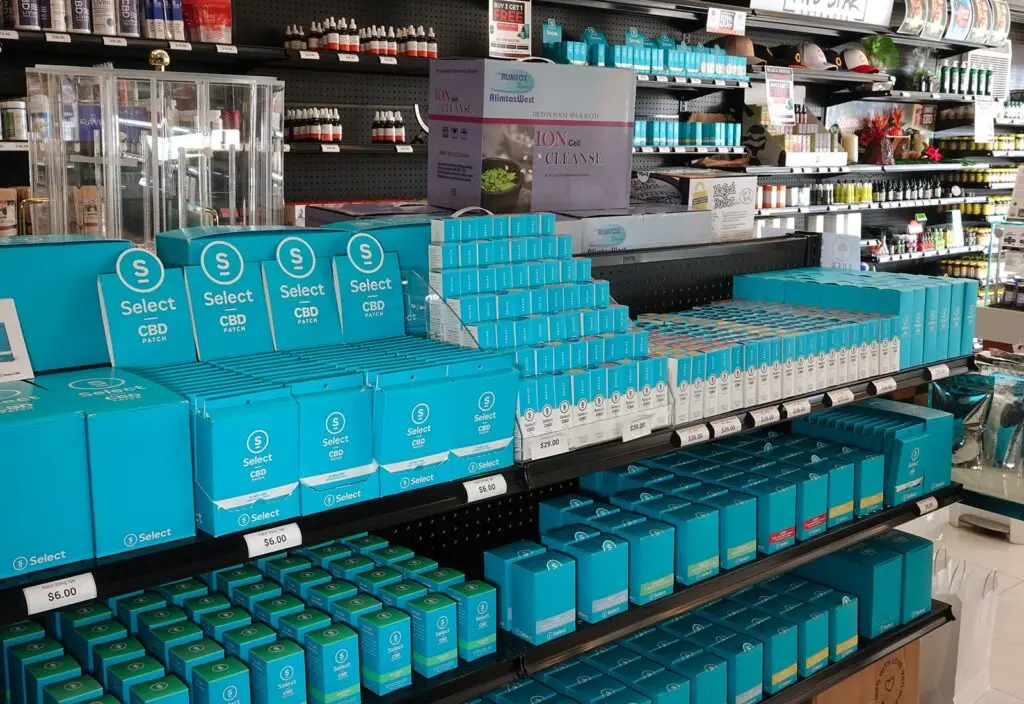
Virginia hemp stores have a head start on the coming cannabis market. But that only helps if they close the gap between a hemp shop and a store that’s ready to sell cannabis, before applications and inspections begin. This checklist covers what you need to fix, build, and plan right now.
Is your Virginia hemp store really ready for the 2027 retail cannabis market?
Virginia’s cannabis rules are coming together fast. Here are the key dates:
- August 15, 2026: The Cannabis Control Authority (CCA) took over the rules for hemp products sold in stores.
- September 9, 2026: The CCA released its draft rules for adult-use cannabis.
- December 2026: Final rules are expected, with publication in January 2027.
- February 1, 2027: The first round of applications opens.
- May 1, 2027: The first licenses are issued.
- July 1, 2027: Cannabis sales begin.
Licenses for new retail stores aren’t part of the first round. That gives hemp operators a little more time, but not much.
This guide is for hemp retailers, CBD shops, and small processors who want to sell cannabis. It doesn’t cover licensing theory. Cure8 builds IT, security, and compliance systems for cannabis businesses. So this checklist focuses on the tech and daily setup that decide whether your store passes inspection.
What’s changing in Virginia for hemp and cannabis between 2026 and 2027?
Virginia now splits hemp and cannabis rules between two agencies. A law called House Bill 30 moved the rules for hemp edibles and vapes from VDACS (the state agriculture department) to the Cannabis Control Authority. VDACS still oversees hemp farms, grower registration, and THC testing.
Here’s what the new cannabis market looks like:
- Virginia will issue up to 350 retail cannabis licenses. A share of them is set aside for social equity (impact) applicants.
- Up to 100 microbusiness licenses will be available. These are a lower-cost way in for smaller hemp operators.
- Medical cannabis dispensaries can switch to adult use through a separate process.
- The CCA will control cannabis sales, packaging, tracking, and enforcement.
- Hemp operators now follow two sets of rules: VDACS hemp rules (0.3% total THC, testing, and registration) and CCA rules for retail and cannabis.
What the September 9 draft rules add: One owner can hold no more than five licenses. Customers can buy up to 2 ounces per sale. Drive-through sales and third-party ordering sites and apps are banned. New license holders get 18 months to open, plus a possible 6-month extension. These are still drafts, so some details may change.
The federal hemp deadline: A federal ban on hemp THC products that get you high starts December 11, 2026. Some parts may start as early as November 12. Add Virginia’s 2 mg per package limit, and many of the hemp products on shelves today will soon be illegal to sell.
Hemp retailers who want to sell cannabis should first learn how to open a dispensary in Virginia.
Are you currently compliant with Virginia hemp rules today?
No store can get a cannabis license until its hemp business is in order. State inspectors check hemp stores, and missing paperwork will follow you into your license application.
Grower checks:
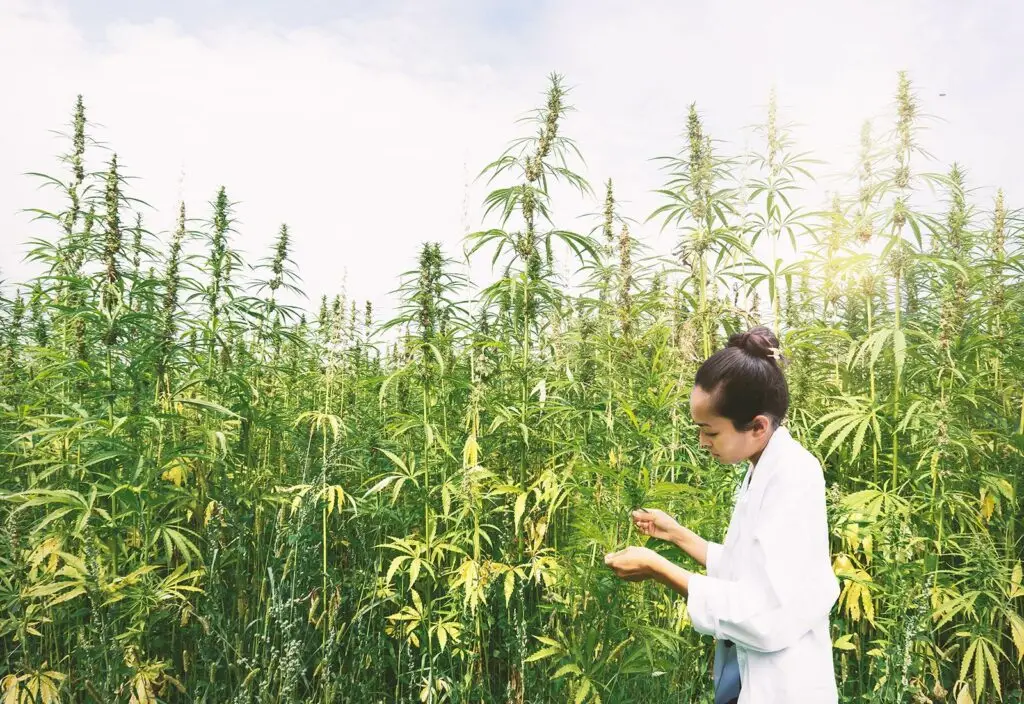
- A current Industrial Hemp Grower Registration with VDACS ($150 a year)
- An FBI Identity History Summary for every key person, such as owners and partners. It can’t be more than 60 days old when you apply.
- A USDA Farm Service Agency farm number on file
- Testing done within 30 days before harvest, using a lab VDACS has approved
Processor and handler checks:
- A current Processor Registration ($200 a year) and Handler Registration ($250 a year)
- Up-to-date site addresses on file. If you move where you make or store product, update it.
- Records that track each batch from raw hemp to finished product, plus logs for any batches you destroyed
Product checks:
- Every product label shows total THC below 0.3%
- Lab results (certificates of analysis, or COAs) from an outside lab for every product you sell
- Products bought only from registered, compliant makers
- Organized records of every hemp sale and test
Quick definitions: “Industrial hemp” is plant material with 0.3% total THC or less by dry weight. Federal and Virginia law cover it. A “regulated hemp product” is something you eat or inhale, sold in a store. “Cannabis” means adult-use products with more THC, regulated by the CCA.
Have you aligned your hemp product line with new CCA retail rules?
House Bill 30 and CCA guidance now set how hemp edibles and vapes can be made, packaged, and sold. Breaking these rules can bring fines. It can also hurt your chances of getting a cannabis license later.
Packaging and labels to check now:
- Child-resistant packaging on every product people eat or inhale
- Labels with full ingredient lists and THC amounts
- Labels that show THC per serving, total THC per package, batch details, and a “not for sale to anyone under 21” statement
- Label text at least 1/16 inch tall, and lab results from an ISO/IEC 17025 accredited lab ready at the register
Product limits (since August 15, 2026):
- No more than 2 mg of total THC per package
- The old 25:1 CBD-to-THC exception is gone. No products qualify for it anymore.
- No synthetic THC in edibles or vapes
- Check every product (SKU) against the federal hemp THC limits starting December 11, 2026 (some parts possibly November 12), not just Virginia’s 2 mg rule
Marketing limits:
- No branding that appeals to kids, and no packaging shaped like people, animals, vehicles, or fruit
- If you sell delta-8 or similar products, flag them now. The CCA may reclassify or ban them as the state crackdown on hemp continues.
If you answer “no” to more than two of these, your store isn’t ready yet. For example: Is every product in child-resistant packaging? Are lab results on site? Is every product under 2 mg THC?
Do you understand where hemp operators fit in Virginia’s future license types?
Hemp retailers and processors can get into the cannabis market. But they’ll compete with medical cannabis companies that have a lot of money. Existing medical dispensaries can switch to adult use by paying $10 million for a special conversion license.
The main license types for hemp operators:
| License type | Cap | What it means for hemp operators |
| Standard retail store | 350 statewide | The main path; a share set aside for impact applicants |
| Microbusiness | 100 statewide | Grow, process, and sell on a small scale; a good fit if you’re used to a small grow |
| Cultivation | Tiered by grow size | For growers who want to supply licensed stores |
| Processing | No stated cap | For hemp processors moving into cannabis extraction |
| Delivery-only | To be decided | Costs less to start; no storefront needed |
| Testing lab | To be decided | For labs that already hold ISO/IEC 17025 accreditation |
Three paths for hemp operators:
- Hemp only: Keep selling compliant hemp products under CCA rules. You don’t need a cannabis license, but you’ll earn less.
- Hemp plus cannabis retail: Apply for a retail or microbusiness license. You’ll need full security, POS, seed-to-sale tracking, and compliance systems.
- Microbusiness: Grow, process, and sell under one license, with tighter size limits (for example, up to 5,000 square feet indoors).
You’ll need a labor peace agreement (a written agreement with a labor union) to apply. Virginia also expects a full business plan and written compliance steps. Get a lawyer and a solid plan in place well before the first application round opens by February 1, 2027.
Is your store layout, security, and surveillance at cannabis-retail standards?
Cannabis stores in Virginia will face much tougher security rules than most hemp shops follow today. Expect rules on how far stores must be from schools and other sensitive places. That alone may rule out some current locations, so check the exact distance in the draft rules and with your city or county.
Store layout:
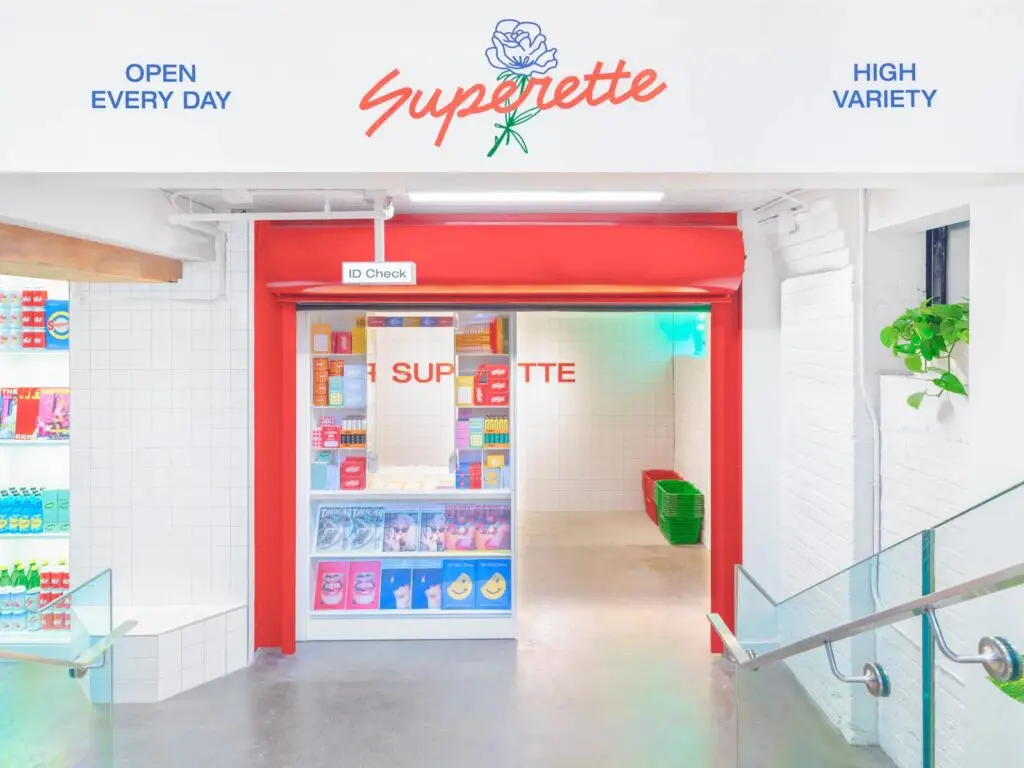
- A secure check-in area where IDs are checked before customers reach the sales floor
- A separate back room with a vault or safe for cannabis products
- Locked cash-counting areas, with electronic locks or key cards on storerooms
Cameras and alarms:
- High-quality cameras covering every register, entrance, exit, display, storage area, and outside area
- Recording 24 hours a day, with footage kept at least 30 days. Keep any footage tied to an investigation until it’s closed.
- Monitored alarms with backup power, panic buttons, and automatic alerts
Cure8 designs and installs dispensary-grade cameras, access control, and security systems built to meet these rules. Building this now, before inspections start, spreads out the cost and avoids a last-minute rush.
Are your IT, POS, and compliance systems ready for seed-to-sale tracking?
Virginia will require every cannabis business to use a state tracking system that follows each product from seed to sale. The CCA chose Metrc for this. Most hemp stores don’t have a system that can connect to it. Without a POS (point-of-sale) system that works with Metrc, you can’t operate.
Tech every future cannabis store needs:
- A cannabis POS system that syncs with Metrc in real time (see the top POS systems for cannabis dispensaries)
- ID scanners at every register to block sales to anyone under 21
- Systems that track inventory, lab results, and ID checks
- Batch tracking tied to lab reports, with tools for recalls and a record of destroyed products
Network setup:
- Separate Wi-Fi networks for guests and for store operations
- A backup internet connection that switches on automatically
- A firewall, threat detection, and automatic backups so you never lose compliance data
- Reports for CCA audits: sales, taxes, inventory, and any loss or theft
Cure8 helps cannabis stores set up their tech in the right order. We start with POS and compliance, then add menus, self-service kiosks, and analytics.
Have you built financial, operational, and staffing plans for the cannabis market?
Selling cannabis costs more than selling hemp. Virginia’s cannabis tax starts at 6% and rises to 8% by 2029, on top of regular sales tax. Opening a full retail store can cost $750,000 to $2 million once you add up buildout, security, tech, inventory, and license fees.
Money planning:
- Honest sales forecasts that account for a slow start and local competition
- A cash flow plan for 12 to 18 months that assumes delays in applications, buildout, inspections, and first sales
- Budget lines for IT, security, lawyers, compliance help, inventory, and staff training
Staffing and training:
- Budtenders trained on dosing, product effects, and the rules
- Inventory managers who understand seed-to-sale tracking and can check counts daily
- A compliance manager who owns your written procedures and audit prep
Day-one procedures to start practicing now:
- Opening and closing checklists, including security steps
- Cash counting and balancing at every shift change
- Inventory checks (physical count vs. system count)
- ID and age checks at the register
- Steps for destroying products and recording it
- Training logs with dates and topics
Practicing these routines now builds habits. Hemp stores that rehearse them today will be months ahead of competitors on opening day. Learn more about staying audit-ready.
How can Virginia hemp operators use the months before applications open?
The months before Virginia’s first application round are your preflight window. Rules are getting stricter and the dates are set. Use this time to get your systems in place before the market opens.
Steps for the next 6 to 12 months:
- Clean up hemp compliance: Renew all VDACS registrations, update your site addresses, and check that your labs are accredited. Make sure every product meets the 2 mg THC per package limit (in effect since August 15, 2026) and the federal limits starting December 11, 2026.
- Pick your license type: Retail, microbusiness, cultivation, processing, or a non-retail license. This choice shapes every dollar you spend from here.
- Upgrade security: Install cameras, electronic access controls, and a vault now, and spread the cost over several months.
- Set up a cannabis-ready POS and inventory system: Choose one that works with Metrc, and test it on your hemp sales first.
- Write your procedures and train staff: Document every process, run practice audits, and log all training.
Check the CCA’s news page every week. Watch for how applications will be scored, who qualifies, and whether hemp businesses or impact applicants get priority. The tech and security you buy now can help your hemp store today and carry over once you get a cannabis license.
Where does Cure8 fit into your Virginia hemp-to-cannabis readiness plan?
Cure8 handles IT, security, and compliance for cannabis businesses across North America. Right now, we’re focused on helping Virginia operators get ready before sales begin.
What Cure8 does:
- Readiness checks of your store’s tech, security, and operations against Virginia’s rules
- POS and inventory system selection, Metrc setup, and network buildout
- Dispensary security design: camera placement, vaults, access control, and alarms
- Secure Wi-Fi, firewalls, data backup, disaster recovery, and cybersecurity policies
- Ongoing managed IT services so your systems stay up to date as rules change
Hemp operators who set up the right systems now will open with tech, security, and daily routines that already work. Those who wait will compete against well-funded medical companies and experienced operators from other states.
Book a Virginia readiness check with Cure8 at cure8.tech and map your path from hemp to cannabis before Virginia’s 2027 application windows open.